- Acting as a bridge between Government and powerloom industry to address its issues and possible interventions.
- Participation in international textile exhibitions and trade fairs under various Government of India schemes, including MAS/MAI under the Export Promotion Mission (EPM).
- Organizing and participating in Business-to-Business (B2B) Buyer-Seller Meets (BSMs), trade fairs, and exhibitions to facilitate direct business interactions between Indian exporters and international buyers, promote Indian products, and generate export business opportunities.
- Gathering and disseminating market intelligence, trade enquiries, export opportunities, latest notifications, circulars and policy updates.
- Organizing webinars, training programmes, workshops and seminars on Government policies, FTAs, export procedures and various export promotion schemes.
- Organizing Niryat Disha and Niryat Protsahan programmes to create awareness among exporters about export opportunities, Government initiatives and export-related support.
- Publishing PDEXCIL Newsletter to disseminate valuable market information, trade updates and other relevant information.
- Promoting Indian powerloom fabrics, made-ups and home textile products in international markets through trade promotion and business development activities.
- Implementing the SAMARTH Scheme of the Ministry of Textiles, Government of India, for skill development and capacity building in the textile sector.
- Undertaking skill development and capacity-building programmes to address skill gaps and enhance the competitiveness of the textile industry.
About PDEXCIL
ABOUT PDEXCIL
Powerloom Development & Export Promotion Council (PDEXCIL) is set up by the Ministry of Textiles, Govt. of India in the year 1995. The Council has been registered under Section 25 of The Companies Act, 1956, having its Registered Head Office at Mumbai, Maharashtra & Regional Office at Erode, Tamil Nadu & New Delhi
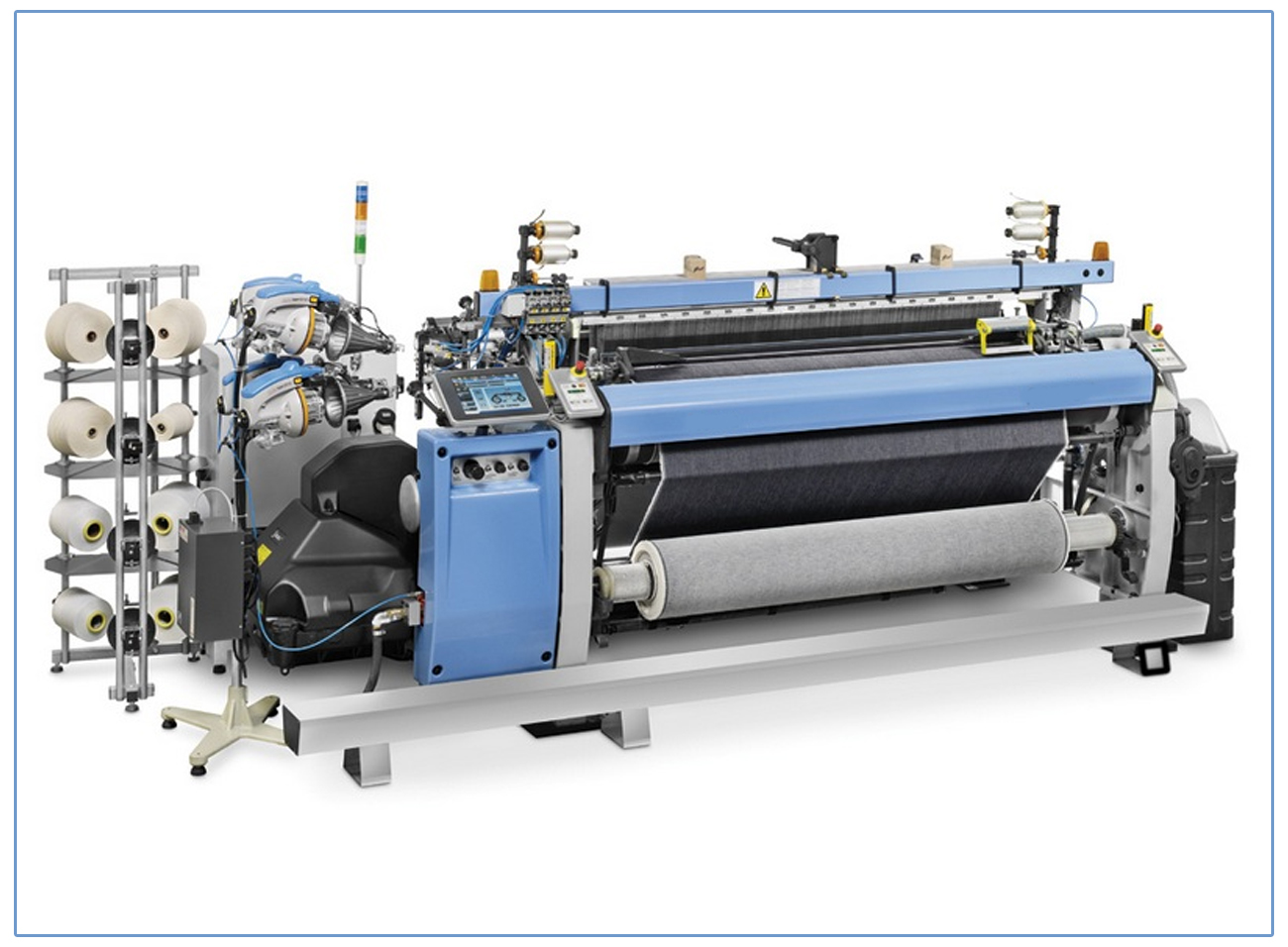
The main objectives of the PDEXCIL is to promote, support, develop, advance and increase powerlooms and export of Powerloom fabrics and made-ups thereof and to carry out any such activity in such manner as may be necessary or expedient.